Toronto's Overlooked Architecture
I rarely hear anything positive about Toronto’s urbanism, and even less so about its architecture. Universally, the city is acclaimed for its constant pulse of life, its music, its opportunities, the lake, and the bustling blend of every culture one can imagine. But Torontonian architecture is a frequent target for jokes. And really, what is there to be surprised about—in my neighborhood, the Beaches, a slowly decomposing hovel unfit to be anything more than a bankrupt bodega is vehemently protected as a prime example of Toronto Art Deco. The downtown core has been overrun by glass towers over the past thirty years. Only crumbs of old Toronto even survived to see this boom; the majority of the center burned down in the 1910s.
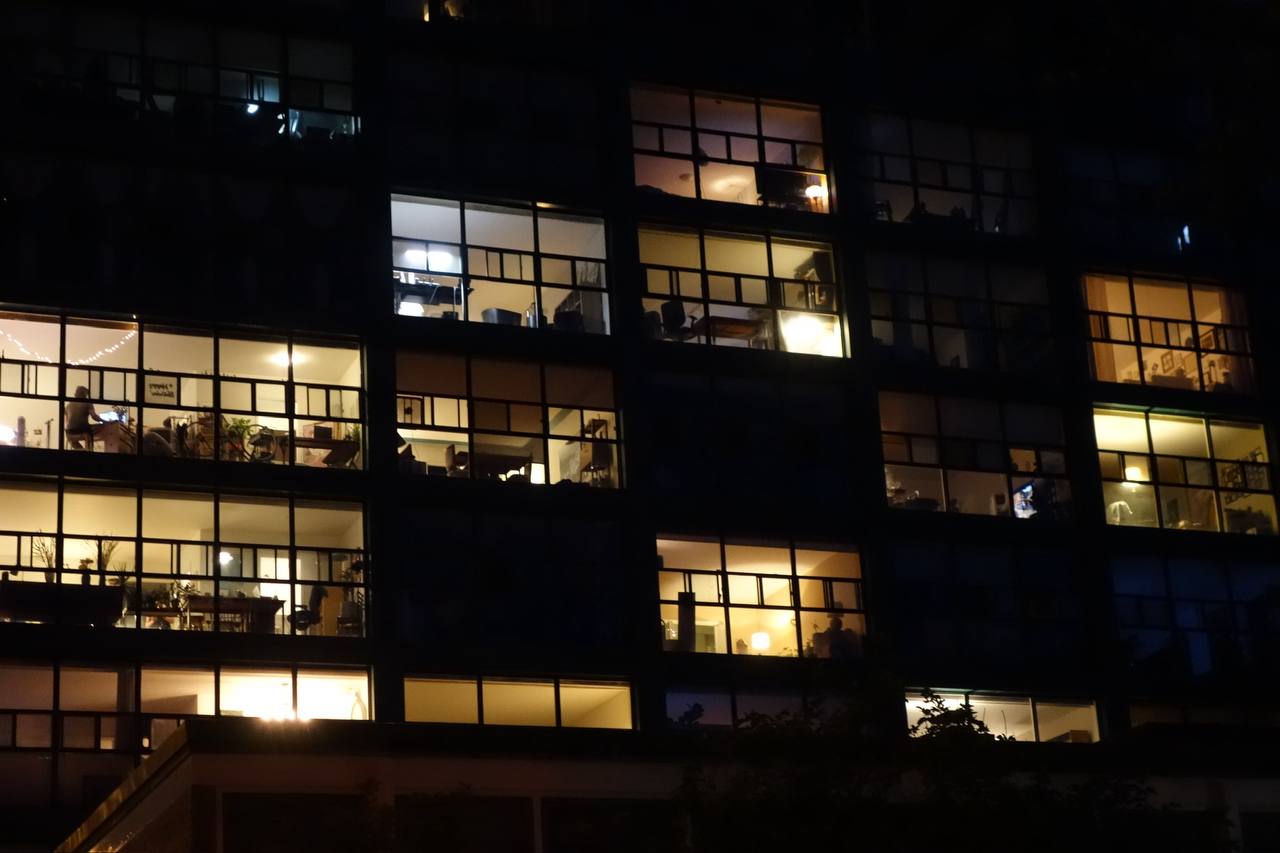
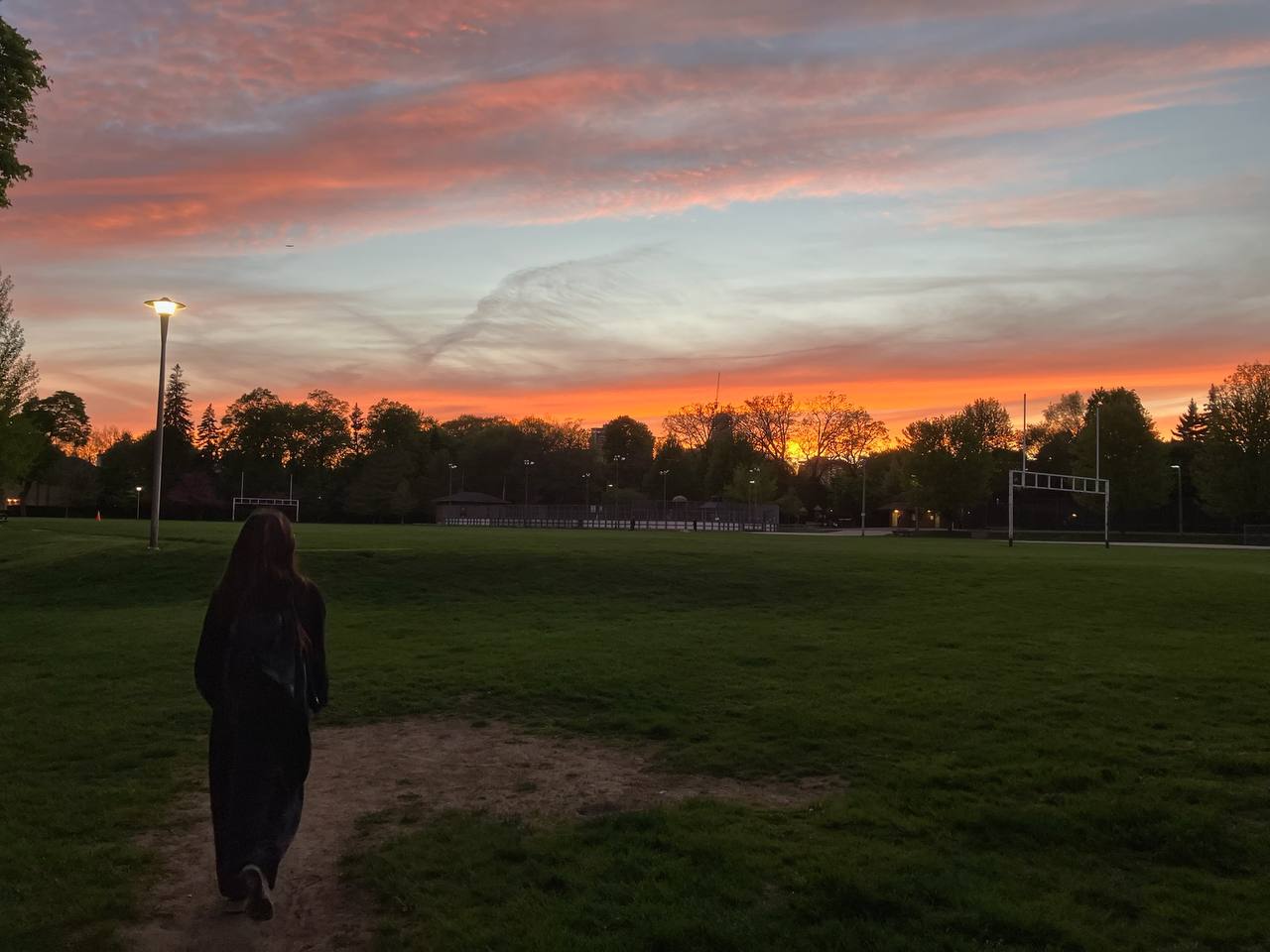
But to truly appreciate this city from an architectural standpoint, one must leave downtown and head just a little north. Nestled between three ravines sits a cluster of small neighborhoods built at the end of the 19th and begging of the 20th centuries. Encircled by the Don Valley, the Rosedale Ravine, and Yellow Creek, this pocket of the city was immediately staked out by the most affluent Torontonians. A secluded enclave, shrouded by forests and submerged in greenery, sitting a mere 15-minute walk from the intersection of the two main subway lines. Here, the British—and later, Canadian—aristocracy built their manors. And it is here that genuinely fascinating Torontonian architecture awakens.
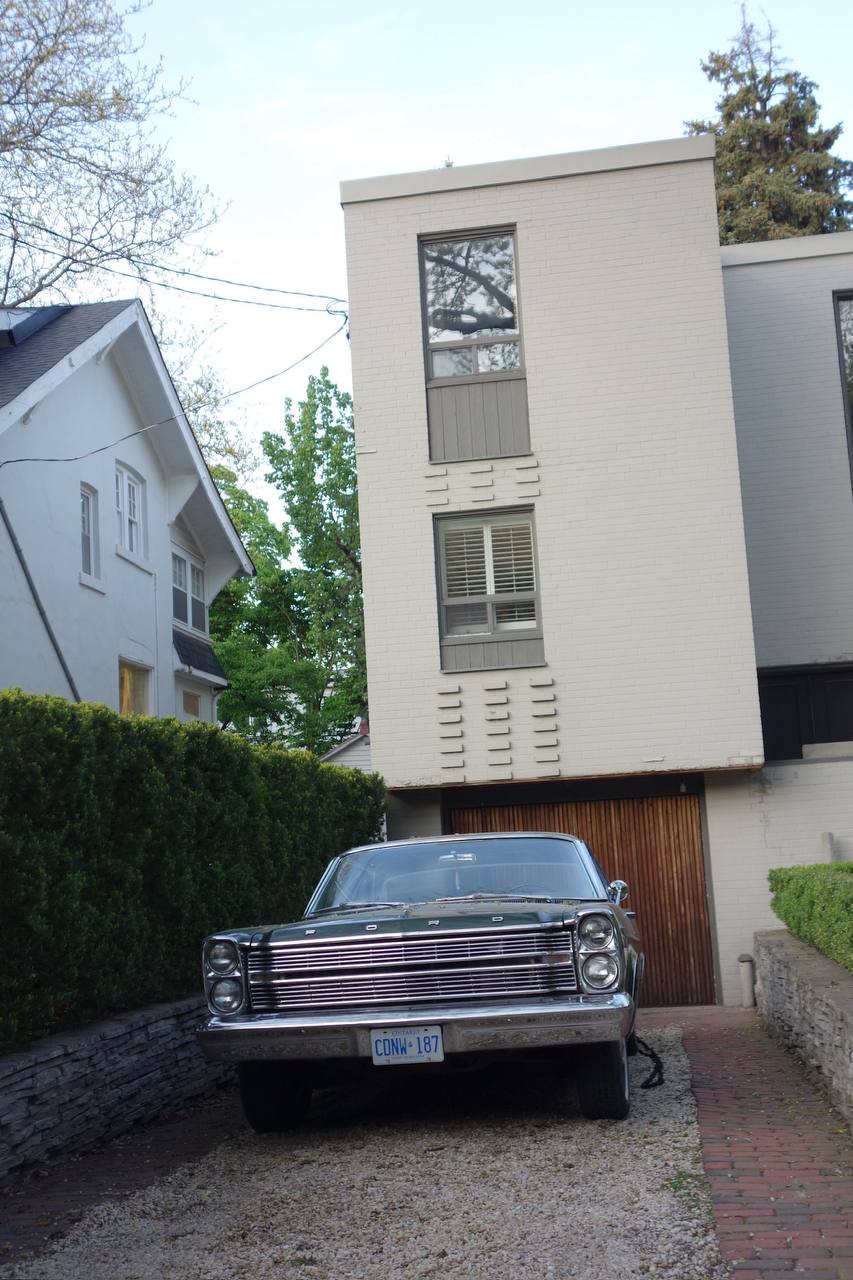
Though there are a couple of houses from different eras sprinkled in (like the 70s one with the Ford—pictured below), the vast majority were built in a singular, unique Toronto style. It is a medley of Victorian, Colonial, and Quebecois architecture. The primary materials are brick and black-painted wood—materials that were readily available here. The facades are often adorned with rather simple elements and patterns carved into the wood or laid out in brickwork. Just as the Gothic Revival in Quebec came heavily infused with robust local elements, so too here—craftsmen assembled these facades without precedent, without any rigid rules. There is none of the academic strictness of European capitals. There is a vocabulary of elements we all recognize, but they were utilized with complete freedom. And that is exactly what makes every house, every estate, profoundly interesting.
In modern America, there is a term—McMansion. “Mc” from McDonald’s, “Mansion” for an estate. Houses are built to cram in as many different “perks” as possible, making them easier to sell as a bundled feature package. Columns, little turrets, massive garages, fake stone, gargantuan square footage—a chaotic jumble of everything that might belong to a proper estate. But these houses are built to be sold to the widest possible demographic. These homes lack character; they try to be everything to everyone and, in doing so, lose “themselves.” That is why when you look at them, you feel like they are deceiving you—and indeed they are. You cannot mass-produce a unique estate.
And this is where these neighborhoods truly shine. Every house has character. Every house harbors the vision of a craftsman, and the home is built to serve it. The house speaks to you of itself, as an individual, and you can converse with it.
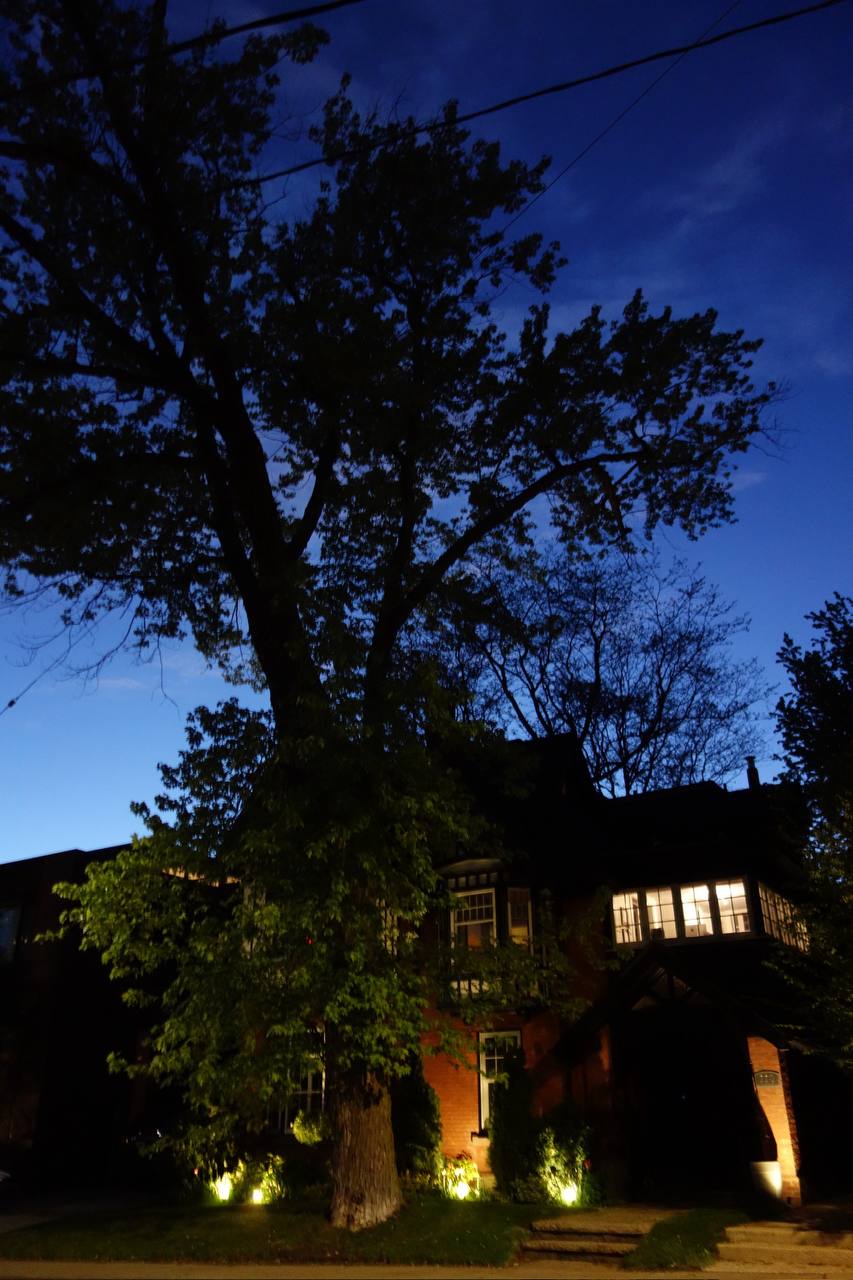
Personally, I am incredibly fond of the large black beams set against red brick, and the roofs that rise one above the other. They often make absolutely stellar use of gables, and my reaction to hexagonal turrets is akin to Pavlov’s dog. All of this is submerged in a sea of thick, towering trees. The speed limit hovers around 20, and cars are sparse—more often than not, all you hear is the wind and the birds.